Sunday, 1 July 2012

The Cultivation technique of Paddystraw Mushroom {Volvariella volvacea} in india in Hindi.


भारत जैसे देश में जहॉ की अधिकांश आबादी शाकाहारी है खुम्‍बी का महत्‍व पोषण की दृष्‍टी से बहुत अधिक है । यहां मशरूम का प्रयोग सब्‍जी के रूप में किया जाता है।

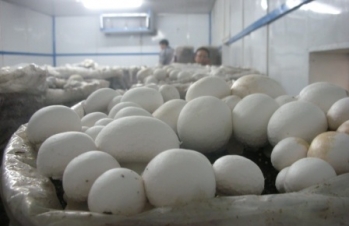
भारत में खुम्‍बी उत्‍पादकों के दो समुह हैं एक जो केवल मौसम में ही इसकी खेती करते हैं तथा दूसरे जो सारे साल मशरूम उगाते हैं। भारत में व्‍यवसायिक रूप से तीन प्रकार की खुम्‍बी उगाई जाती है। बटन (Button) खुम्‍बी, ढींगरी (Oyster) खुम्‍बी तथा धानपुआल या पैडीस्‍ट्रा (Paddystraw) खुम्‍बी। तीनो प्रकार की खुम्‍बी को किसी भी हवादार कमरे या सेड में आसानी से उगाया जा सकता है। पैडीस्‍ट्रा खुम्‍बी की खेती मुख्‍यत: समुद्री किनारे वाले क्षेत्रों में की जाती है। यह गहरे रंग की तथा बहुत स्‍वादिष्‍ट किस्‍म है

भारत में धान पुआल मशरूम उगाने का सही समय।
Sowing Time of Paddy Straw Mushroom in India

भारत में धान पुआल मशरूम मई के मध्‍य से सितम्‍बर के मध्‍य तक उगाई जाती है। धान पुआल खुम्‍बी की फसल के लिए 34 से 38 डिग्री सेंटीग्रेड तापमान तथा 80-85% नमी या आद्रता उपयुक्‍त रहती है। इसे कमरे के अन्‍दर या कमरे के बाहर खुले में, दोनो ही प्रकार से उगाया जाता है।

खुले में धान पुआल मशरूम की खेती।
Cultivation of Paddystraw mushroom in open

धान पुआल खुम्‍बी को खुले में उगाने के लिए 100 cm लम्‍बी X 60 cm चौडी X 15-20 cm उंची ईंटो की या मिट्टी की क्‍यारियां बनाते है। सीधी धुप तथा वर्षा से बचाने के लिए इनके उपर शेड बना दिया जाता है।

यह धान के पुआल में अकेले या उसमें कपास का कचरा बराबर मात्रा में मिलाकर उगाई जाती है। धान के पुआल को 7-8 सेमी मोटे व्‍यास के गट्ठर में बांध लें तथा उनको 70-80 सेंमी लम्‍बाई के आकार में काट लें। इसके बाद इन गट्ठरों को पानी भरे एक होद में 12 से 16 घंटे के लिए भीगने दैं। निश्चित समय के बाद पुआल को पानी से निकालकर फर्श पर बिछा दें। जिससे की अतिरिक्‍त पानी निकल जाए।

धान पुआल मशरूम की बुआई या स्‍पानिंग
Spaning of Paddy Straw Mushroom

मशरूम के बीज को स्‍पान कहतें हैं। पहले से तैयार क्‍यारियों में उसी आकार के बॉंस का ढांचे बनाकर रखें। इन ढांचों के ऊपर धान के पुआल के गट्ठर सटा सटा कर रख दें। सभी गट्ठरों का बंधा सिरा एक ओर होना चाहिए। इसके ऊपर चार गट्ठर और रखें परन्‍तू इस बार बंधा सिरा विपरीत दिशा में होना चाहिए। इस प्रकार से पहली परत तैयार हो गयी। अब इस परत पर बीज बिखेर दें। अगर पहले से धानपुआल पर तैयार किया बीज प्रयोग कर रहे हो तो उसके अंगूठे के बराबर आकार के टुकडे 4-5 सेंमी गहराई में 10-12 सेंमी की दूरी पर रोपें। बीज के ऊपर धान या गेंहू की भूसी अथवा चने का बेसन थोडी मात्रा में बिखेर दें।

इस पहली परत के ऊपर उपरोक्‍त विधिनुसार पुआल के चार चार गट्ठर रखकर तथा बीजाई करके दूसरी परत बनाऐं। इसी प्रकार तीसरी व चौथी परत भी बना लें । अंत में गट्ठरों के इस ढेर को प्‍लास्टिक की पारदर्शी चादर से ढक दें। ध्‍यान रखें की यह चादर गट्ठरों को ना छुऐ।

बुआई के बाद धान पुआल मशरूम की देखभाल
Post spaning care of Paddy Straw Mushroom

बीजाई के 7-8 दिनो में खुम्‍बी का कवक जाल पूरी तरह पुआल के अन्‍दर फैल जाएगा। कवक जाल के लिए 32 से 36 डिग्री सेंटीग्रेड तापमान बहुत उपयुक्‍त रहता है। कवक जाल फैलने के बाद प्‍लास्टिक की पारदर्शी चादर को उतार दें तथा यदि पुआल सूखा लगे तो उसपर फुआरे से हलका पानी छिडक दें।


बीजाई करने के लगभग 15-18 दिनों में क्‍यारियों में खुम्‍बीयां दिखाई देने लगेगी। जब खुम्‍बी का ऊपरी सिरा, झिल्‍ली (वोल्‍वा) के फटने के बाद, दिखाई देने लगे तभी खुम्‍बी को तोड लेना चाहिए।

पैडीस्‍ट्रा मशरूम की पैदावार तथा भंडारण
Production and storage of Paddy Straw Mushroom

पैडिस्‍ट्रा मशरूम की पैदावार 10-12 दिनों तक चलती है। 100 किलाग्राम गीले पुआल से लगभग 12 से 13 किलो खुम्‍बी प्राप्‍त होती है। प्रत्‍येक क्‍यारी से 2-2.5 किलोग्राम खुम्‍बी निकलती है। धान पुआल या पैडीस्‍ट्रा खुम्‍बी बहुत नाजुक होती है और फ्रिज में इनका भंडारण 2-3 दिनों के लिए ही किया जा सकता है।

धान पुआल या पैडीस्‍ट्रा खुम्‍बी की कमरे में उगाने की तकनीक
Cultivation technique of Paddy Straw Mushroom in room

कमरे में बॉस या लोहे के एंगलों से रैक बनाऐं। एक के ऊपर एक 45 से 50 सेंमी ऊंची चार रैक बनाई जा सकती हैं। सबसे नीचे बाली रैक जमीन से 25-30 सेंमी ऊपर रहनी चाहिए। पैडीस्‍ट्रा खुम्‍बी की बंद कमरे में खेती एक विशेष विधि से तैयार की गई कम्‍पोस्‍ट खाद पर की जाती है।

कम्‍पोस्‍ट बनाना और उसे रैक में भरना
Prepration of compost and filling it into the racks

कम्‍पोस्‍ट खाद को दो भागों मे बनाया जाता है। धान के पुआल को फर्श पर बिखेर कर भिगो दे, फिर भीगे हुए पुआल का ढेर बनाऐं जिसकी ऊचाई 1.5 मीटर तथा चौडाई 1.25 से 1.5 मीटर के बीच रखें। दो दिनों के बाद इस ढेर को खोलकर इसमे 5% भार के हिसाब से धान की भूसी मिलाते हैं। अच्‍छी तरह मिलाने के बाद इसका निम्‍न विधि से निर्जीविकरण करते हैं।

कम्‍पोस्‍ट का निर्जीविकरण करने के लिए कम्‍पोस्‍ट को पहले से ही भाप द्वारा 45 डिग्री ताप पर गर्म कमरे में रखते हैं। कमरा बंद करके इसको भाप से ही 60-65 डिग्री सेटीग्रेड तक गर्म करें तथा 2-3 घंटे तक यह ताप स्थिर रखें। इसके बाद कक्ष में ताजी हवा प्रवाहित करके इसका ताप धीरे धीरे 50-52 डिग्री पर आने दें। इस ताप को अगले 10 घंटे तक स्थिर रखें। इसके बाद ताजी हवा का प्रवाह दूबारा करें। अगले 4-5 दिनों में इसका ताप 34 से 35 डिग्री पर पॅहुच जाता है। सामान्‍य ताप होने पर बीजाई की जाती है। कम्‍पोस्‍ट तैयार होने के बाद रैक में इसकी 6 से 8 इंच मोटी परत या त ह बिछा देते हैं।

कमरे में धान पुआल मशरूम की बुआई
Spaning of Paddy Straw Mushroom

मशरूम के बीज को स्‍पान कहतें हैं। बीज की गुणवत्‍ता का उत्‍पादन पर बहुत असर होता है अत: खुम्‍बी का बीज या स्‍पान अच्‍छी भरोसेमदं दुकान से ही लेना चाहिए। बीज एक माह से अधिक पुराना भी नही होना चाहिए। बीज की मात्रा कम्‍पोस्‍ट खाद के वजन के 2-5 प्रतिशत के बराबर लें।

बीज को रैक में भरी कम्‍पोस्‍ट पर बिखेर दें तथा उस पर 2 से 3 सेमी मोटी कम्‍पोस्‍ट की एक परत और चढा दे।

बुआई के बाद मशरूम की देखभाल
Post spaning care of Paddy Straw Mushroom

बीजाई के बाद कमरे को 4-5 दिनों तक बंद रखें। कमरे मे पर्याप्‍त नमी बनाने के लिए कमरे के फर्स व दीवारों पर भी पानी छिडकें। इस समय कमरे का तापमान 34 से 38 डिग्री सेंन्‍टीग्रेड तथा नमी 80 से 85 प्रतिशत के बीच होनी चाहिए। चार पॉच दिनों में खुम्‍बी का कवक जाल पूरी तरह से कम्‍पोस्‍ट में फैल जाएगा। इन दिनों खुम्‍बी को ताजा हवा नही चाहिए अत: कमरे को बंद ही रखें।

कवक जाल के बाद फलनकाय बनता है। फलनकाय की बढवार के लिए ताजी हवा और प्रकाश की जरूरत होती है। इसलिए अब कमरे की खिडकीयां व रोशनदान खोलकर रखें। अगले 3-4 दिनों के लिए कमरे का तापमान 28 से 30 डिग्री तथा आर्द्रता 80 से 85 % के बीच तथा हवा स्थिर रखें। इस समय फलनकाय बनने शुरू हो जाऐगें।

अगले 5-6 दिनों में खुम्‍बी तोडने लायक हो जाती हैं। जैसे ही खुम्‍बी की झिल्‍ली फटने के बाद दिखाई पडे उसको तोडलेना चाहिए।

मशरूम की पैदावार तथा भंडारण
Production and storage of button mushroom

पैडीस्‍ट्रा खुम्‍बी की पैदावार 10-12 दिनों तक चलती है। खुम्‍बी तोडने के बाद साफ पानी में अच्‍छी तरह से धोयें। धान पुआल या पैडीस्‍ट्रा खुम्‍बी बहुत नाजुक होती है और फ्रिज में इनका भंडारण 2-3 दिनों के लिए ही किया जा सकता है।

Button Mushroom Cultivation in Sikkim

In Sikkim it was 1970 when the Department of Agriculture took the initiative of  cultivation of button mushroom. Research and trail in this sector was started by the department. In the year 2003 with the built up of a small Mushroom Unit at Marchak, Ranipool, the Button mushroom cultivation on commercial basis was started but again due to the upcoming of Agriculture Engineering College in the year 2006 this Mushroom section was immediately shifted to the I. P. M. Laboratory at I. C. A. R. Complex Tadong. Now, after a gap of five and a half years the Department of Horticulture and Cash Crop Development Department has succeeded in producing Organic Button Mushroom on commercial basis at Majhitar which has started fruiting from 15th of January 2012.

Mushrooms belong to a separate group of organisms called Fungi. They lack  green matter (chrolophyll) present in the plants and grow on dead and decaying organic materials. They absorb their nutrition from these decaying substrates with the help of very fine thread like structures (mycelium) which penetrate into the substratum and are generally not visible on the surface. After the mycelium has grown profusely and absorb sufficient food materials, it forms the reproductive structure which comes out of substrate and forms fruiting body, commonly known as MUSHROOM.

Types of Mushroom -  At present 3 types of mushrooms are being cultivated.
  1. Button mushroom (Agaricus bisporus)
  2. Paddy straw mushroom (Volvariella volvacea)
  3. Oyster mushroom (Pleurotus sajor – caju)
Agaricus bisporus is the most popular and economically sound to grow and is extensively cultivated throughout the world. However, due to its low temperature requirement during fruiting, its cultivation is restricted to the cool climatic areas.

Yearwise production schedule –
Mid November to Mid March – Agaricus bisporus
Feb to Mid April – Pleurotus sajor- caju
Mid June to Mid September – Volvariella volvacea.
September to November – Pleurotus sajor – caju.

Mushroom poisoning – There are three types of mushroom poisoning depending upon the toxic principle present-
  1. 1. Muscarine type, (due to inocybe and related species known as early mushroom poisoning)
  2. 2. Hallucinogenic, ( due to A. muscaria species)
  3. 3. Phalloidin type, ( due to A. phalloides and its related species, known as late mushroom poisoning) Mushroom poisoning is also known as mycetism. Fatality due to mushroom consumption is common among poverty ridden families. As such there is no particular features to differentiate between poisonous and non poisonous mushrooms.
The Mushroom section of Horticulture and Cash Crop Development has produced 7 metric tones of Compost for button mushroom which is spawned by thorough spawning method. This process has started from 15th of November 2011 on trial basis and fruiting started exactly after two months i.e. 15th of January 2012 as per the formulations and the process  mentioned below.

Wheat Straw                                -     Base Material
Chicken/ Horse Manure             -     For activating Formulations
Wheat Bran                                 –     Hasten the composting process to       balance C:N ratio.
Gypsum                                        -     Neutralize Greasiness.
Cotton seed meal                         -     N2 Quick growth of microbial    population.


15.11.11 ——-         PHASE-I     (Out door  Composting)

PHASE-II                                    (Pasteurization & Conditioning)

18.11.11 ———                           For 4 days – Pre wetting of W/Straw with water in composting yard.

5th day   -                                      Add Chicken / Horse Manure + Wheat bran + Cotton seed Meal

21.11.11 —–               0 Day                      (7th day)     -  Pile making/ Stacking upto 5 ‘(60 .C)

23.11.11 ——          + 2 Day                     ( 9th day )   -   1st turning of Pile (70 .C)

25.11.11  ——-       + 4 Day                      (11th day)   –   2nd turning of Pile (75 .C)

27.11.11 ——-        + 6 Day                      ( 13th day)  -   3rd turning of Pile (Add Gypsum)
29.11.11  -  4.12.11     PHASE-II               ( 15thday)   –  Compost filling in Pasteurizing Chamber as   quickly as possible  and close the door air tight & live steam injected for 6-8 hours at 58 .C then conditioning starts for  5-6 days ( 45 – 52 .C)


05.12.11-15.11.11          20th day (for 10 days)-       Compost ready for spawning by through spawning method @.750/100kg compost by Bag cultivation (2-3 holes/bag) – Bag are kept in the Incubation room maintain R/H 90 % & temperature at 23 + 2 .C

25.12.11
CASING      (40-45thday) -        Application of Pasteurized  casing soil   on the surface   of the Compost. After 20 – 25 days of casing fruiting starts.


15.01.12 – Fruiting starts   after 58-60 days.
Pin head start then Bags are shifted to the cropping room and Temperature maintained at 16 + 2 .C, RH 85 %.

60th day-  First Fruits comes out. Fruiting   goes on for 3 months.


Method of Turning:-

Remove 1 ft. of Compost from Top and sides of the Pile keep this position in one side and shake it vigorously so that excess NH3 is released. Central  & Bottom position of Pile are removed keep aside  A new Pile is made – Central position at the Bottom  , top and sides position should be placed at the  Centre. Bottom portion is kept on top .


The main objectives of this  Integrated Mushroom Unit at Majhitar, East Sikkim is the production of pasteurized spawned compost and pasteurized casing soil and distribute it to the mushroom growers as per their climatic condition , i.e. in summer it is distributed in the higher altitude and in winter in the lower altitude. The beneficiaries will be trained technically in the complex before receiving the spawned compost. The main purpose is to uplift the economical condition of the farmers and helps in self employment scheme programme.

The Cultivation technique of Oyster mushroom {Pleurotus spp} in India in Hindi


भारत में मशरूम का प्रयोग सब्‍जी के रूप में किया जाता है। खुम्‍बी की कई प्रजातियां भारत मे उगाई जाती है। फ्ल्‍यूरोटस की प्रजातियों को सामान्‍यतया: ढींगरी खुम्‍बी कहते हैं। अन्‍य खुम्बियों की तुलना में सरलता से उगाई जाने वाली ढींगरी खुम्‍बी खाने में स्‍वादिष्‍ट, सुगन्ध्ति, मुलायम तथा पोषक तत्‍वों से भरपूर होती है। इसमे वसा तथा शर्करा कम होने के कारण यह मोटापे, मधुमेह तथा रक्‍तचाप से पीडित व्‍यक्तियों के लिए आर्दश आहार है।

भारत में खुम्‍बी उत्‍पादकों के दो समुह हैं एक जो केवल मौसम में ही इसकी खेती करते हैं तथा दूसरे जो सारे साल मशस्‍म उगाते हैं।व्‍यवसायिक रूप से तीन प्रकार की खुम्‍बी उगाई जाती है। बटन (Button) खुम्‍बी, ढींगरी (Oyster) खुम्‍बी तथा धानपुआल या पैडीस्‍ट्रा (Paddystraw) खुम्‍बी। तीनो प्रकार की खुम्‍बी को किसी भी हवादार कमरे या सेड में आसानी से उगाया जा सकता है। भारत में ढींगरी खुम्‍बी की खेती मौसम के अनुसार अलग-अलग भागों मे की जाती है।


ढींगरी मशरूम उगाने का सही समय।
Sowing time of Oyster mushroom

दक्षिण भारत तथा तटवर्ती क्षेत्रों में सर्दी का मौसम विशेष उपयुक्‍त है। उत्‍तर भारत में ढींगरी खुम्‍बी उगाने का उपयुक्‍त समय अक्‍तुबर से मध्‍य अप्रैल के महीने हैं। ढींगरी खुम्‍बी की फसल के लिए 20 से 28 डिग्री सेंटीग्रेड तापमान त‍था 80-85% आर्द्रता बहुत उपयुक्‍त होती है। आजकल ढींगरी की 12 से अधिक प्रजातियॉ भारत के विभिन्‍न भागों में उगायी जाती हैं। इनमें से फ्ल्‍यूरोटस सजोरकाजू, फ्ल्‍यूरोटस फ्लोरिडा, फ्ल्‍यूरोटस ऑस्ट्रिएटस, फ्ल्‍यूरोटस फ्लेबेलेटस तथा फ्ल्‍यूरोटस सिट्रोनोपिलेटस आदि प्रमुख प्रजातियॉ है।

ढींगरी मशरूम को उगाने की विधि।
Sowing technique of Oyster Mushroom

ढींगरी की फ्ल्‍यूरोटस सुजोरकाजू प्रजाति को धान के पुआल पर उगाने के लिए पुआल को 3-5 सेमी लम्‍बे टुकडो में काट कर स्‍वच्‍छ जल में रात भर के लिए भिगो दें। अगली सुबह अतिरिक्‍त पानी निकाल दें।

ढींगरी मशरूम की बीजाई या स्‍पानिंग
Spaning of Dhingri mushroom

मशरूम के बीज को स्‍पान कहतें हैं। भूसे के वजन के 5-7% के बराबर ढींगरी का बीज या स्‍पान लेकर उसे गीले भूसे में मिला दें। यदि तापमान कम हो तो बीज की मात्रा 25 % तक बढा दें। बीजाई या तो परतों में करें या फिर भूसे मे एकसार मिला दें।

बीज मिले भूसे को छिद्रयुक्‍त 45 X 30 आकार की पालिथिन की थैलियों में दो तिहाई भरकर थैली का मुहॅ बांध दें। थैलियों का आकार आवश्‍यकतानुसार छोटा या बडा भी प्रयोग किया जा सकता है।

चाकोर खण्‍डों में उगाने के लिए उपयुक्‍त आकार के सांचे या लकडी की पेटी का प्रयोग करें। सांचे या पेटी में पॉलिथीन की छिद्रयुक्‍त सीट बिछा दें। अब सॉचे में उपरोक्‍त बताये अनुसार तैयार किया बीजयुक्‍त भूसा भर दें या फिर भूसा भरकर परतों में बीजाई कर दें। भूसे को हल्‍के हाथ से दबा दें तथा पॉलिथीन के खंड को सॉचे से बाहर निकाल दें।

बीजाई के बाद मशरूम की देखभाल
Post spaning care of Oyster

कवक जाल का बनना:
बीजाई के पश्‍चात पेटी अथवा थैलियों को खुम्‍बी कक्ष में टांडो पर रख दें तथा इन पर पुराने अखबार बिछाकर पानी से भिगो दें। कमरे मे पर्याप्‍त नमी बनाने के लिए कमरे के फर्स व दीवारों पर भी पानी छिडकें। इस समय कमरे का तापमान 22 से 26 डिग्री सेंन्‍टीग्रेड तथा नमी 80 से 85 प्रतिशत के बीच होनी चाहिए। अगले 10 से 12 दिनों में खुम्‍बी का कवक जाल सारे भूसे में फैल जाएगा। इस अवस्‍था में भूसा परस्‍पर चिपक कर मजबूत हो जाता है तथा इधर उधर लेजाने पर टूटता नही। अब पालिथीन काट कर या खोलकर अलग करदें । पालिथीन रहित बेलनाकार या चाकोर खण्‍डो को टांड पर अगल बगल लगभग एक फुट की दूरी पर रख दें। दिन में दो बार पानी छिडक कर नमी 85 से 90 % बनाए रखें।

खुम्‍बी फलनकाय का बनना तथा उनकी तुडवाई:
उपयुक्‍त तापमान (24 से 26 C) पर अगले लगभग 10-12 दिन बाद भूसे पर छोटी-छोटी खुम्‍बियां दिखाई देने लगती हैं जो अगले चार पॉच दिनों में पूरी बढ जाती हैं।

जब खुम्‍बी के फलनकाय के किनारे भीतर की ओर मुडने लगे तब खुम्‍बी को तेज चाकू से काटकर या डंठल को मरोडकर निकाल लें। 8-10 दिनों के अन्‍तराल पर खुम्‍बीयों की 2-3 फसल आती हैं जिनसे लगभग 95 % उपज प्राप्‍त हो जाती है।

ढींगरी की पैदावार तथा भंडारण
Production and storage of Oyster

सामान्‍यत: 1.5 किलोग्राम सूखे पुआल या 6 किलोग्राम गीले भूसे से लगभग एक किलोग्राम ताजी खुम्‍बी आसानी से प्राप्‍त होती है। उत्‍तम फार्मप्रबंधन तथा रोगों से बचाव करके अधिक उपज भी प्राप्‍त की जा सकती है।

खुम्‍बी को ताजा ही प्रयोग करना श्रेष्‍ठ होता है परन्‍तू फ्रिज में 5 डिग्री ताप पर 4-5 दिनों के लिए इनका भंडारण भी किया जा सकता है। धुप में यांत्रिक शुष्‍कक में सुखाकर वायूरूद्ध डिब्‍बो में भरकर भी रख सकते हैं।

Cultivation technique of White Button Mushroom {Agaricus Bisporus} in india in Hindi.


भारत जैसे देश में जहॉ की अधिकांश आबादी शाकाहारी है खुम्‍बी का महत्‍व पोषण की दृष्‍टी से बहुत अधिक हो गया है । यहां मशरूम का प्रयोग सब्‍जी के रूप में किया जाता है।

भारत में खुम्‍बी उत्‍पादकों के दो समुह हैं एक जो केवल मौसम में ही इसकी खेती करते हैं तथा दूसरे जो सारे साल मशरूम उगाते हैं। मौसमी खेती मुख्‍यत: हिमाचल प्रदेश, जम्‍मू-कशमीर, उत्‍तर प्रदेश की पहाडीयों, उत्‍तर-पश्चिमी पहाडी क्षेत्रों , तमिलनाडु के पहाडी भागों में 2-3 फसलों के लिए तथा उत्‍तर पश्चिमी समतल क्षेत्रो में केवल जाडे की फसल के रूप में की जाती है। पूरे साल खुम्‍बी की खेती सारे देश में की जाती है। चंडीगढ, देहरादून, गुडगावा, उंटी, पूना, चेनई तथा गोवा के आसपास 200 से 5000 टन प्रतिवर्ष खुम्‍बी उगाने वाली निर्यातोन्‍मुखी ईकाठयां लगी हुई है।

व्‍यवसायिक रूप से तीन प्रकार की खुम्‍बी उगाई जाती है। बटन (Button) खुम्‍बी, ढींगरी (Oyster) खुम्‍बी तथा धानपुआल या पैडीस्‍ट्रा (Paddystraw) खुम्‍बी। इनमे बटन खुम्‍बी सबसे ज्‍यादा लोकप्रि‍य है। तीनो प्रकार की खुम्‍बी को किसी भी हवादार कमरे या सेड में आसानी से उगाया जा सकता है।


भारत में बटन मशरूम उगाने का सही समय।
Sowing time of button mushroom in India

भारत में बटन मशरूम उगाने का उपयुक्‍त समय अक्‍तुबर से मार्च के महीने हैं। इन छ: महीनो में दो फसलें उगाई जाती हैं। बटन खुम्‍बी की फसल के लिए आरम्‍भ में 22 से 26 डिग्री सेंटीग्रेड ताप की आवश्‍यकता होती है इस ताप पर कवक जाल बहुत तेजी से बढता है। बाद मे इसके लिए 14 से 18 डिग्री ताप ही उपयुक्‍त रहता है। इससें कम तापमान पर फलनकाय की बढवार बहुत धीमी हो जाती है। 18 डिग्री से अधिक तापमान भी खुम्‍बी के लिए हानिकारक होता है।

बटन मशरूम उगाने के लिए कम्‍पोस्‍ट बनाना तथा उसे पेटीयों या थैलियों में भरना।
Compost filling in polybags or wooden box

बटन मशरूम की खेती के लिए विशेष विधि से तैयार की गई कम्‍पोस्‍ट खाद की आवश्‍यकता होती है। कम्‍पोस्‍ट साधारण विधि (Simple method) अथवा निर्जीविकरण विधि (Pasturization method) से बनाया जाता है।

कम्‍पोस्‍ट तैयार होने के बाद लकडी की पेटी या रैक में इसकी 6 से 8 इंच मोटी परत या तह बिछा देते हैं। यदि बटन खुम्‍बी की खेती पोलिथिन की थैलियों में करनी हो तो कम्‍पौस्‍ट खाद को बीजाई या स्‍पानिंग के बाद ही थैलियों मे भरें। थैलियों में 2 मिलीमीटर व्‍यास के छेद थोडी-थोडी दूरी पर कर दें।

बटन मशरूम बीजाई या स्‍पानिंग
Spaning of button mushroom

मशरूम के बीज को स्‍पान कहतें हैं। बीज की गुणवत्‍ता का उत्‍पादन पर बहुत असर होता है अत: खुम्‍बी का बीज या स्‍पान अच्‍छी भरोसेमदं दुकान से ही लेना चाहिए। बीज एक माह से अधिक पुराना भी नही होना चाहिए। बीज की मात्रा कम्‍पोस्‍ट खाद के वजन के 2-2.5 प्रतिशत के बराबर लें।

बीज को पेटी में भरी कम्‍पोस्‍ट पर बिखेर दें तथा उस पर 2 से 3 सेमी मोटी कम्‍पोस्‍ट की एक परत और चढा दे। अथवा पहले पेटी में कम्‍पोस्‍ट की 3 इचं मोटी परत लगाऐं और उसपर बीज की आधी मात्रा बिखेर दे। तत्‍पश्‍चात उस पर फिर से 3 इंच मोटी कम्‍पोस्‍ट की परत बिछा दें और बाकी बचे बीज उस पर बिखेर दें । इस पर कम्‍पोस्‍ट की एक पतली परत और बिछा दें।

बीजाई के बाद मशरूम की देखभाल
Post spaning care of button mushroom

कवक जाल का बनना:
बीजाई के पश्‍चाज पेटी अथवा थैलियों को खुम्‍बी कक्ष में रख दें तथा इन पर पुराने अखबार बिछाकर पानी से भिगो दें। कमरे मे पर्याप्‍त नमी बनाने के लिए कमरे के फर्स्ट व दीवारों पर भी पानी छिडकें। इस समय कमरे का तापमान 22 से 26 डिग्री सेंन्‍टीग्रेड तथा नमी 80 से 85 प्रतिशत के बीच होनी चाहिए। अगले 15 से 20 दिनों में खुम्‍बी का कवक जाल पूरी तरह से कम्‍पोस्‍ट में फैल जाएगा। इन दिनों खुम्‍बी को ताजा हवा नही चाहिए अत: कमरे को बंद ही रखें।

परत चढाना या केसिंग करना:
गोबर की सडी हुई खाद एवं बाग की मिट्टी की बराबर मात्राा को छानकर अच्‍छी तरह से मिला लें। इस मिश्रण का 5 प्रतिशत फार्मलीन या भाप से निर्जीवीकरण कर लें। इस मिट्टी को परत चढाने के लिए प्रयोग करें।

कम्‍पोस्‍ट में जब कवक जाल पूरी तरह फैल जाए तो इसके उपर उपरोक्‍त विधि से तैयार की गई मिट्टी की 4-5 सेमी मोटी परत विछा दें। परत चढानें के 3 दिन बाद से कमरे का तापमान 14-18 डिग्री सेंटीग्रेड के बीच व आद्रता 80-85 प्रतिशत के बीच स्थिर रखें। यह समय फलनकाय बनने का होता है । इस समय बढवार के लिए ताजी हवा और प्रकाश की जरूरत होती है। इसलिए अब कमरे की खिडकीयां व रोशनदान खोलकर रखें।

खुम्‍बी फलनकाय का बनना तथा उनकी तुडवाई:
खुम्‍बी की बीजाई के 35-40 दिन बाद या मिट्टी चढानें के 15-20 दिन बाद कम्‍पोस्‍ट के उपर मशरूम के सफेद फलनकाय दिखाई देने लगते हैं जो अगले चार पॉच दिनों में बटन के आकार में बढ जाते हैं।

जब खुम्‍बी की टोपी कसी हुई अवस्‍था में हो तथा उसके नीचे की झिल्‍ली साबुत हो तब खुम्‍बी को हाथ की उंगलियों से हल्‍का दबाकर और घुमाकर तोड लेते हैं। कम्‍पोस्‍ट की सतह से खुम्‍बी को चाकू से काटकर भी निकाला जा सकता है। सामान्‍यत: एक फसलचक्र (6 से 8 सप्‍ताह) में खुम्‍बी के 5-6 फ्लस आते हैं।

मशरूम की पैदावार तथा भंडारण
Production and storage of button mushroom

सामान्‍यत: 8 से 9 किलोग्राम खुम्‍बी प्रतिवर्ग मीटर में पैदा होती है। 100 किलोग्राम कम्‍पोस्‍ट से लगभग 12 किलोग्राम खुम्‍बी आसानी से प्राप्‍त होती है।

खुम्‍बी तोडने के बाद साफ पानी में अच्‍छी तरह से धोयें तथा बाद मे 25 से 30 मिनट के लिए उनको ठंडे पानी में भीगो दें। खुम्‍बी को ताजा ही प्रयोग करना श्रेष्‍ठ होता है परन्‍तू फ्रिज में 5 डिग्री ताप पर 4-5 दिनों के लिए इनका भंडारण भी किया जा सकता है।

स्‍थानीय बिक्री के लिए पोलिथिन की थैलियों का प्रयोग किया जाता है। ज्‍यादा सफेद मशरूम की मॉग अधिक होने के कारण ताजा बिकने वाली अधिकांश खुम्‍बीयों को पोटेशियम मेटाबाइसल्‍फेट के घोल में उपचारित किया जाता है। बटन खुम्‍बी का खुदरा मुल्‍य 100-125 रूपये प्रति किलोग्राम रहता है। शादी-ब्‍याह के मौसम में कुछ समय के लिए तो यह 150 रूपये किलो तक भी आसानी से बिक जाती है।

मशरूम की खेती में सावधानी
Caution in button mushoom cultivation

मशरूम का उत्‍पादन अच्‍छी कम्‍पोस्‍ट खाद तथा अच्‍छे बीज पर निर्भर करता है अत: कम्‍पोस्‍ट बनाते समय विशेष सावधानी बरतनी चाहिए । कुछ भुल चूक होने पर अथवा कीडा या बीमारी होने पर खुम्‍बी की फसल पूर्णतया या आंशिक रूप से खराब हो सकती है।

What is a Mushroom Mycelium?


Mycelium (plural mycelia) is the vegetative part of a fungus, consisting of a mass of branching, thread-like hyphae. The mass of hyphae is sometimes called shiro, especially within the fairy ring fungi. Fungal colonies composed of mycelia are found in soil and on or within many other substrates. A typical single spore germinates into a homokaryotic mycelium, which cannot reproduce sexually; when two compatible homokaryotic mycelia join and form a dikaryotic mycelium, that mycelium may form fruiting bodies such as mushrooms. A mycelium may be minute, forming a colony that is too small to see, or it may be extensive:

It is through the mycelium that a fungus absorbs nutrients from its environment. It does this in a two-stage process. First, the hyphae secrete enzymes onto or into the food source, which break down biological polymers into smaller units such as monomers. These monomers are then absorbed into the mycelium by facilitated diffusion and active transport.
Mycelium is vital in terrestrial and aquatic ecosystems for its role in the decomposition of plant material. It contributes to the organic fraction of soil, and its growth releases carbon dioxide back into the atmosphere. The mycelium of mycorrhizal fungi increases the efficiency of water and nutrient absorption of most plants and confers resistance to some plant pathogens. Mycelium is an important food source for many soil invertebrates.

Mycelium is sometimes used in farming or landscaping. In addition to its ability to replenish nutrients, the mycelium of some types of fungus forms a symbiotic relationship, called a mycorrhiza, with the roots of a plant. The plant and the fungus in a mycorrhiza help each other receive nutrients that they could not obtain on their own. Mycelia can also be used as an organic filter for soil or water in a process called mycofiltration, in which a mycelial mat keeps out harmful chemicals and microorganisms. Mycelia are also sometimes used to hold new soil in place on unpaved roads.
Some kinds of fungi use sexual reproduction as well as asexual reproduction. The sexually reproducing portion of a fungus arises from the mycelium and is called the sporocarp or fruiting body. The fruiting bodies of many different types of fungus are known as mushrooms or truffles, though there are some other types.

What is a fungus or fungi?

A fungus -fungi or funguses is a member of a large group of eukaryotic organisms that includes microorganisms such as yeasts and molds (British English: moulds), as well as the more familiar mushrooms. These organisms are classified as a kingdom, Fungi, which is separate from plants, animals, and bacteria. One major difference is that fungal cells have cell walls that contain chitin, unlike the cell walls of plants, which contain cellulose. These and other differences show that the fungi form a single group of related organisms, named the Eumycota (true fungi or Eumycetes), that share a common ancestor (a monophyletic group). This fungal group is distinct from the structurally similar myxomycetes (slime molds) and oomycetes (water molds). The discipline of biology devoted to the study of fungi is known as mycology, which is often regarded as a branch of botany, even though genetic studies have shown that fungi are more closely related to animals than to plants.

WHAT IS A MUSHROOM - मशरूम क्या है


A mushroom is the reproductive structure produced by some fungi. It is somewhat like the fruit of a plant, except that the "seeds" it produces are in fact millions of microscopic spores that form in the gills or pores underneath the mushroom's cap. The spores blow away into the wind, or are spread by other means, such as animal feeding. If they land on a suitable substrate (such as wood or soil) spores will germinate to form a network of microscopic rooting threads (mycelium) which penetrate into their new food source. Unlike the mushroom, which pops up then passes away quickly, the mycelium persists, often for many years, extracting nutrients and sending up its annual crop of mushrooms.

Mushrooms are fungi. They belong in a kingdom of their own, separate from plants and animals. Fungi differ from plants and animals in the way they obtain their nutrients. Generally, plants make their food using the sun's energy (photosynthesis), while animals eat, then internally digest, their food. Fungi do neither: their mycelium grows into or around the food source, secretes enzymes that digest the food externally, and the mycelium then absorbs the digested nutrients. There are exceptions to these generalizations; some organisms are placed into their respective kingdoms based on characteristics other than their feeding habits.